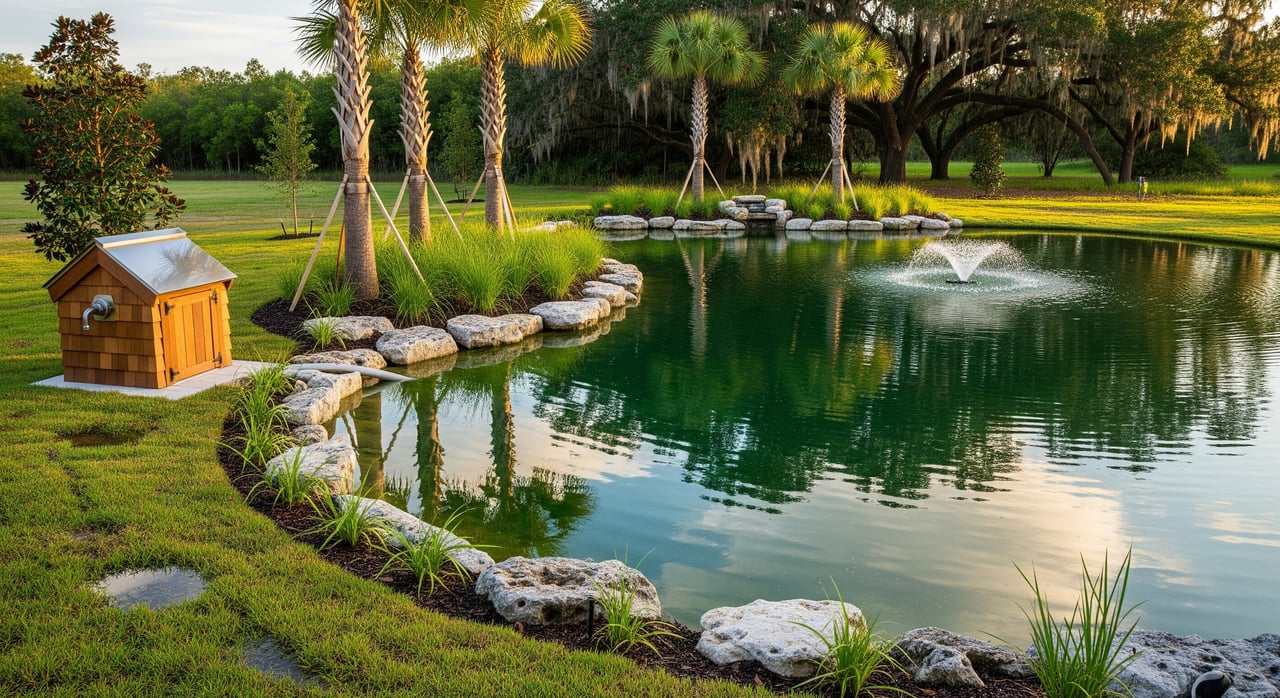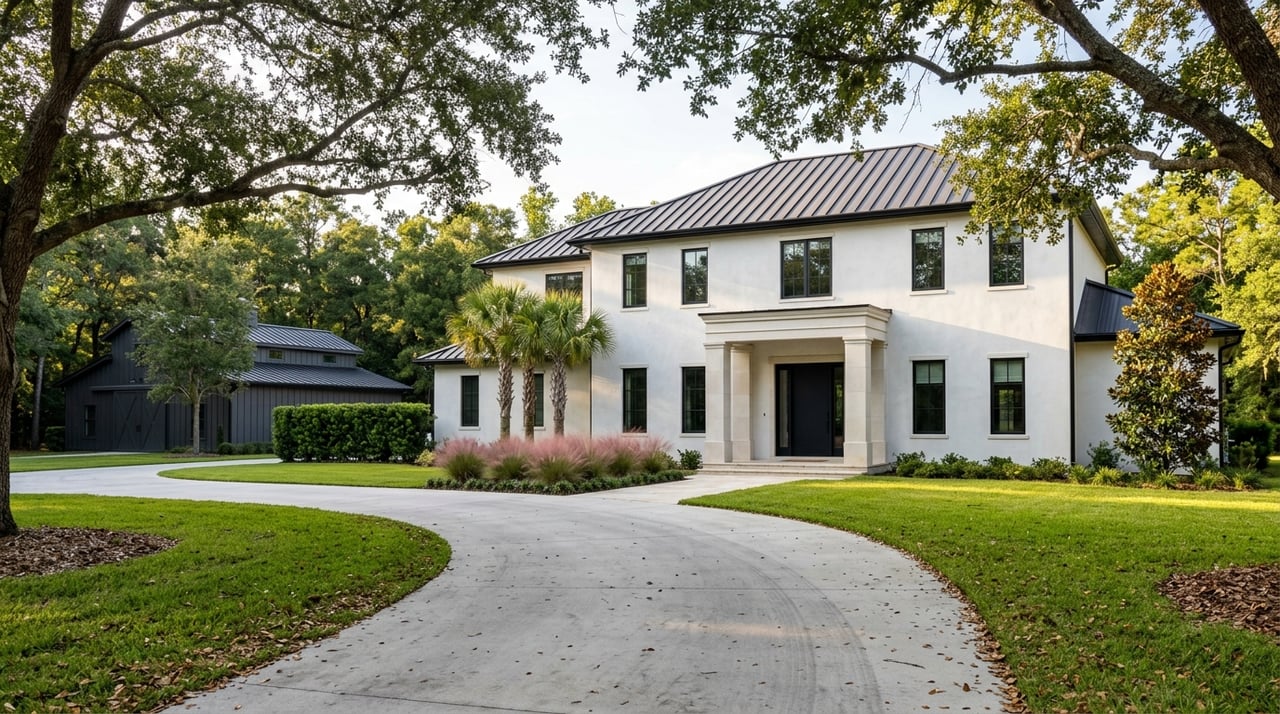
Looking for room to breathe in Pasco County? Pasco Trails stands out because it offers something many buyers cannot find on a standard suburban lot: meaningful acreage, added privacy, and space for a more land-focused lifestyle. If you are wondering what day-to-day life here really looks like, this guide will help you understand the homes, the lots, the upkeep, and the questions to ask before you buy. Let’s dive in.
What Pasco Trails feels like
Pasco Trails is a long-established HOA community on Pasco Trails Boulevard in Pasco County. Association materials for 2025 reference 83 dues-paying parcels and 7 exempt parcels, which points to a relatively small, established neighborhood footprint rather than a large master-planned development.
That matters because the lifestyle here is different from what many buyers expect in newer communities. Instead of focusing on clubhouses, dense amenity packages, or highly uniform lots, Pasco Trails is better understood as a low-density estate-style community where land, privacy, and property use are a big part of the appeal.
Acreage living is the main draw
If you are considering Pasco Trails, think beyond the house itself. County records and recent market examples show parcels ranging from about 3.5 acres to nearly 20 acres, with other examples around 5, 10, and 10.58 acres.
That kind of range creates a very different ownership experience than a typical neighborhood lot. You may have a long driveway, more distance from neighbors, room for detached structures, and outdoor space that supports a variety of uses, depending on the specific property and applicable rules.
Many homes in the area span several decades of construction, from late-1980s homes to newer builds from the late 2010s. Recent listing descriptions also commonly mention features like pools, fenced yards, detached workshops, barns, and extra garages.
Lot patterns can vary more than you think
One of the most important things to understand about Pasco Trails is that acreage does not always mean simple, uniform parcel shapes. Research shows the lot fabric can be irregular in places, with some parcels assembled from portions of original platted lots.
For you as a buyer, that means each property deserves a close look. Buildable area, access, fencing layout, drainage, and usable open space can vary from parcel to parcel, even when two homes appear similar at first glance.
Equestrian appeal is real, but details matter
Pasco Trails is often marketed with an equestrian angle, and the available property examples support that image. Recent listings mention horse barns, stalls, paddocks, fenced acreage, and other horse-oriented improvements.
This is one reason the community tends to attract buyers who want more than a standard backyard. If you have horses, hobbies that need workspace, or simply want room for outbuildings and equipment, Pasco Trails may offer options that are harder to find in more traditional neighborhoods.
Do not assume every acreage use is allowed
This is where careful due diligence matters. County zoning examples in and around Pasco Trails include categories such as AR-5 Agricultural-Residential 5 and ER-2 Estate-Residential 2, and sample parcel records show those labels on large lots.
At the same time, sample county property cards still classify Pasco Trails homes as single-family residential, with Ag Land shown as $0. In plain terms, owning acreage does not automatically mean a property functions like an agricultural parcel or that every barn, livestock, or hobby-farm setup will be approved.
Before you move forward, it is smart to verify three things for the specific property you are considering:
- HOA declaration and community rules
- Architectural review requirements
- County zoning and parcel-specific restrictions
That step is especially important if your plans include barns, paddocks, fencing changes, or other site improvements.
Ownership here comes with more upkeep
Acreage can be rewarding, but it is rarely low maintenance. Pasco Trails HOA materials reference budgeting for mowing, maintenance, utilities, road and drainage work, and tree-related work.
Board minutes also discuss culverts, drainage flow, and raising tree canopies so trailers and large trucks can pass more easily. Those details offer a practical look at ownership in this kind of setting. You are not just maintaining a home. You are often maintaining land, access, vegetation, and drainage conditions too.
What maintenance may look like
In a community like Pasco Trails, your regular to-do list may be broader than it would be on a smaller suburban lot. Depending on the property, you may need to plan for:
- Lawn and field mowing
- Fence repair or replacement
- Driveway upkeep
- Tree trimming and canopy management
- Drainage monitoring after heavy rain
- Culvert and roadside maintenance concerns
These are not reasons to avoid acreage living. They are simply part of the lifestyle, and it helps to go in with clear expectations.
Access and convenience involve tradeoffs
Pasco Trails offers space, but space usually comes with a tradeoff in day-to-day convenience. Recent materials place the community near the SR 52 corridor and describe it as north of Land O’ Lakes, while one listing describes the drive to Tampa as about 40 minutes.
For many buyers, that tradeoff is worth it. You gain privacy, room to spread out, and a quieter estate-style setting, but you may give up some of the quick access and close-in convenience that comes with denser suburban neighborhoods.
Flood and site conditions should be checked parcel by parcel
Large lots can create a false sense that everything about the land is straightforward. In reality, county parcel records indicate buyers should verify zoning and FEMA information on an individual property basis.
One sample estate in the research was noted with a FEMA code of Multiple Zones. That is a good reminder that usable land, insurability considerations, and improvement plans should all be reviewed for the exact parcel, not assumed from the neighborhood name alone.
Who Pasco Trails may fit best
Pasco Trails tends to make the most sense for buyers who value space, privacy, and flexibility more than compact convenience. It may be a strong fit if you want room for equipment, outdoor projects, horse-related improvements, or simply a larger buffer between you and your neighbors.
It may also appeal to you if you like the idea of a home with site improvements such as a detached workshop, extra garage space, fencing, or a barn. The community’s character supports a land-forward lifestyle more than a low-maintenance, amenities-first one.
Who should think carefully before buying here
Pasco Trails may be less ideal if you want a very simple yard, minimal exterior work, or a neighborhood centered on shared amenities. Acreage living often brings more moving parts, from vegetation management to drainage concerns to rule-checking for changes you want to make.
If your goal is easy upkeep and a more predictable suburban ownership routine, it is worth comparing Pasco Trails with communities built around smaller lots and lower exterior maintenance demands.
Smart questions to ask before buying
If you are seriously considering Pasco Trails, here are a few smart questions to ask early in the process:
- How much of the parcel is truly usable for my goals?
- Are there existing barns, fences, workshops, or other improvements?
- What HOA approvals may be required for future changes?
- What does the current zoning allow for this specific parcel?
- Are there drainage, culvert, or tree-maintenance issues to budget for?
- Does the parcel include any FEMA zone complexities?
- How much time and cost will routine land maintenance require?
These questions can help you move from “I love the idea of acreage” to “I understand what this property will actually require.”
Why local guidance matters in Pasco Trails
A neighborhood like Pasco Trails is not just about bedrooms, bathrooms, and price per square foot. It is about the land, the layout, the improvements, and the practical details that affect how you will use the property.
That is why having a knowledgeable guide matters. When you are comparing estate-style properties, it helps to work with someone who understands large-lot living, knows how to spot important due diligence items, and can help you weigh lifestyle fit just as carefully as the home itself.
If you are exploring Pasco Trails or thinking about selling an acreage property in Pasco County, Pamela Link offers the hands-on guidance and equestrian-property insight to help you move forward with confidence.
FAQs
What is Pasco Trails in Pasco County, FL?
- Pasco Trails is a long-established HOA community on Pasco Trails Boulevard that is best known for low-density, estate-style acreage living rather than a master-planned amenity setup.
How large are lots in Pasco Trails?
- Research examples show a wide range of parcel sizes, including about 3.51 acres, 5-acre-plus properties, 10-acre-plus properties, and some parcels approaching 20 acres.
Is Pasco Trails an equestrian community?
- Pasco Trails is commonly marketed with equestrian appeal, and recent property descriptions mention features such as barns, stalls, paddocks, and fenced acreage.
Can you keep horses or farm animals in Pasco Trails?
- You should verify the specific parcel’s HOA rules, architectural review requirements, and county zoning before assuming horses, livestock, barns, or hobby-farm uses are allowed.
Are Pasco Trails properties considered agricultural?
- Not necessarily. Sample county property cards in the research classify properties as single-family residential and show Ag Land as $0, so acreage alone does not mean a parcel is treated as agricultural.
What upkeep should buyers expect in Pasco Trails?
- Buyers should be prepared for more hands-on property care, which may include mowing, fence work, driveway maintenance, tree trimming, drainage monitoring, and attention to culverts or access routes.
Is Pasco Trails convenient for commuting?
- The community offers more space and privacy, but that usually comes with a tradeoff in convenience. Research places it near the SR 52 corridor, and one listing described the drive to Tampa as about 40 minutes.
Should buyers check flood and zoning details in Pasco Trails?
- Yes. Research indicates zoning and FEMA information should be reviewed parcel by parcel, since site conditions and flood-zone designations can vary even within the same community.