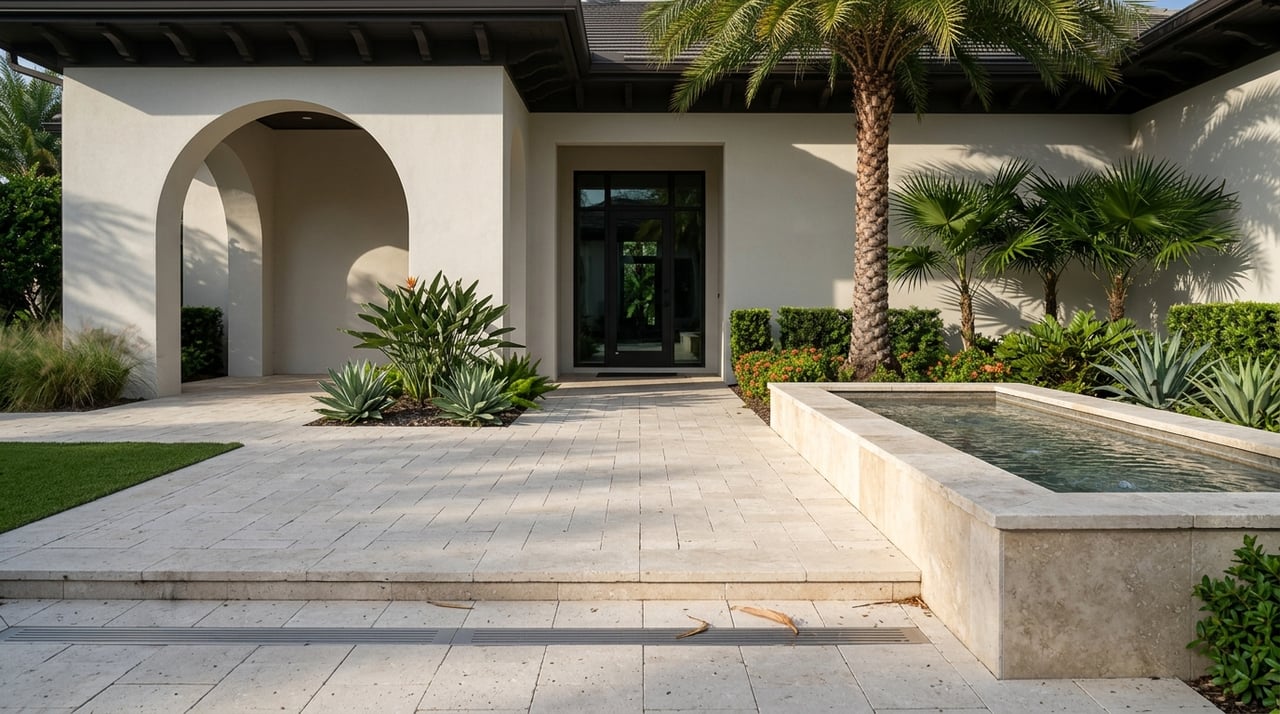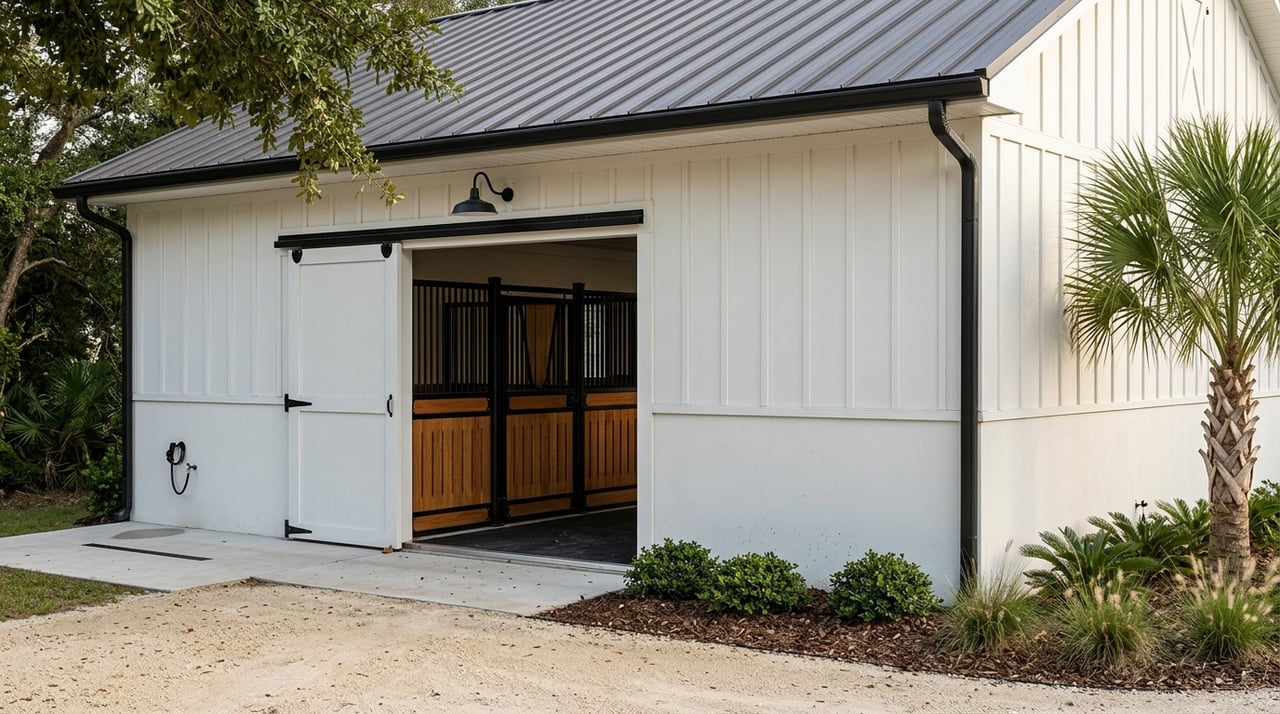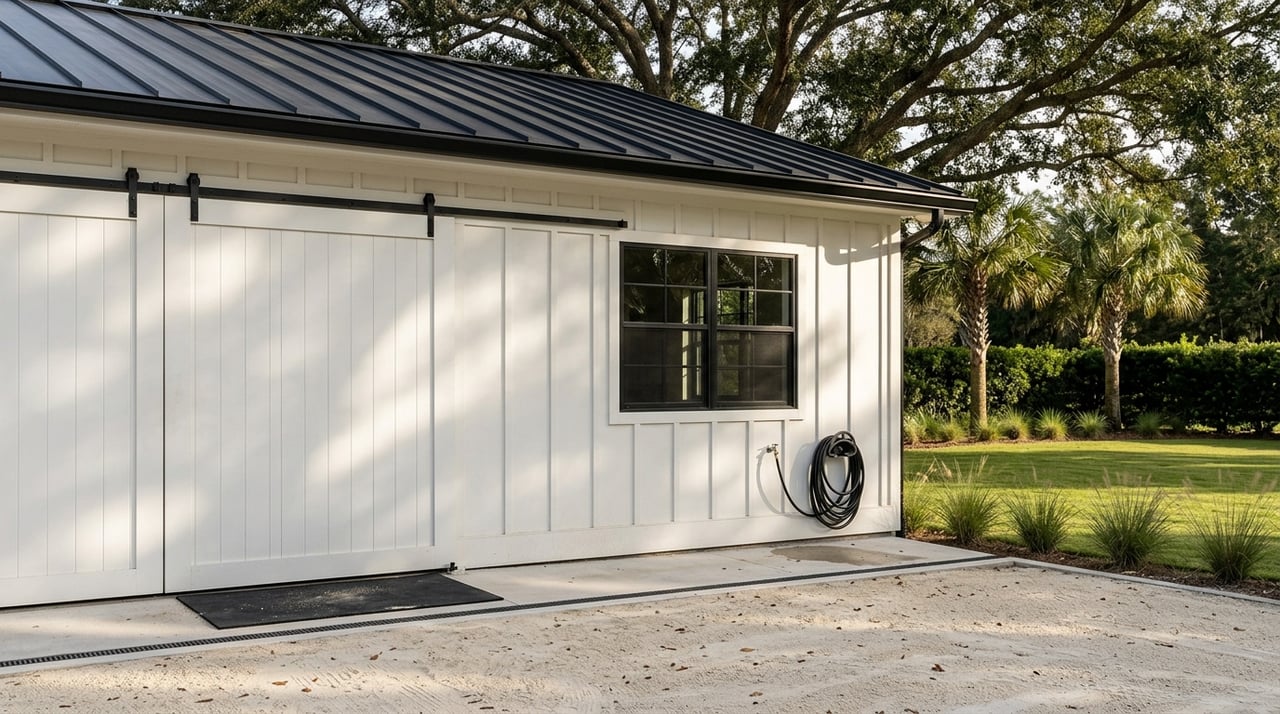
If you are getting ready to sell a property in Parrish with a home, barn, and usable land, you already know buyers will look at more than the front door. They want the full picture, from how the house shows to how the barn functions to whether the acreage looks cared for and ready for its next use. The good news is that smart staging can help your property feel more valuable, more manageable, and easier to understand. Let’s dive in.
Why staging matters on farm properties
A property in 34219 often sells as a lifestyle package, not just a house on a lot. Buyers are usually evaluating the residence, outbuildings, pasture condition, drainage, access, and the records that support how the property has been used.
That means your staging plan needs to do more than make the living room look pretty. It should help buyers see that the property has been maintained with care and that each part of the property works together.
Stage the house with clarity
Inside the home, the goal is to make the space feel clean, bright, and easy to understand. In Florida, known facts that materially affect value and are not readily observable must be disclosed, so staging should never feel like it is covering up an issue.
Instead, focus on presentation that highlights upkeep. Declutter countertops, reduce personal decor, and use neutral styling so rooms feel flexible for everyday living, guests, or work-from-home needs.
Make each room read clearly
Buyers move quickly through a home, especially when they are also trying to assess acreage and outbuildings. If a room has too many competing uses, it can feel smaller or confusing.
Give each room one clear purpose. A spare room can read as a guest room or office, but not both at once if the setup feels crowded.
Show maintenance, not decoration
On an acreage property, buyers often assume maintenance standards in the home reflect maintenance standards outside. A spotless kitchen, fresh-smelling interiors, clean flooring, and working lights send a reassuring message.
Keep finishes simple and polished. The house should feel honest, cared for, and ready for the next owner.
Stage the barn for function
The barn is not just an extra structure. For many buyers, it is one of the main reasons they are touring the property.
A barn shows best when it feels safe, useful, and easy to maintain. Swept aisles, organized tack or storage areas, and removal of trash or broken equipment can make a major difference in how buyers respond.
Clean up loose and worn items
UF/IFAS storm guidance recommends removing loose objects and keeping feed and water protected in a safe, dry place. Those habits also improve presentation during showings.
Before photos or tours, clear out items that make the barn feel neglected. Broken tools, old buckets, damaged panels, and random piles of materials can distract buyers from the structure itself.
Organize feed and tack areas
Order matters in utility spaces. If feed rooms, tack rooms, or storage corners look chaotic, buyers may assume the whole setup has been hard to manage.
Aim for clean shelves, labeled bins, neat hooks, and open floor space. Even if the barn is simple, organization helps it feel more capable.
Highlight safety and ease of care
Florida horse-property buyers often pay close attention to maintenance practices. A barn that appears dry, clean, and well managed gives buyers more confidence in the property as a whole.
If you have areas that collect clutter or moisture, address those before going live. The goal is not perfection. It is showing that the property has been responsibly maintained.
Stage the land to show intention
Pasture and paddock condition can shape a buyer’s opinion fast. UF/IFAS notes that overgrazed pastures tend to develop bare ground, soil compaction, mud, and weed infestations.
For listing purposes, that means buyers will notice worn-out areas just as quickly as they notice a nice kitchen. Your land should look intentionally used, not neglected.
Reduce the signs of overgrazing
UF/IFAS recommends rotational grazing, limited turnout, and rest periods to help prevent overgrazing on smaller acreages. You do not need to explain every management detail during staging, but the visual result matters.
Try to present paddocks with visible maintenance, manageable grass cover, and fewer muddy, heavily worn zones. A property that looks balanced and usable is easier for buyers to picture themselves owning.
Tidy weeds and mowing lines
UF/IFAS also recommends soil testing for fertilizer recommendations and using mowing and grazing management to reduce weeds. From a staging standpoint, trimmed fence lines and mowed turnout areas make the acreage look more intentional.
Neat edges help define the property. They also make it easier for buyers to understand how different areas are used.
Manage manure thoughtfully
UF/IFAS says horse manure should be managed with a plan, and composted manure is preferred if manure is used as a soil amendment because composting helps reduce pathogens, weed seeds, and parasites.
For showings, the takeaway is simple. Have a clean, orderly manure management area and avoid letting stalls, paddocks, or travel paths suggest ongoing neglect.
Prep repairs before listing
Small repair issues can carry more weight on a property with multiple structures. When buyers see deferred maintenance in one area, they often assume there may be more they cannot yet see.
That is why pre-listing repair planning matters. It can improve presentation, reduce buyer hesitation, and help your launch feel smoother.
Use licensed professionals when needed
Manatee County says its contractor licensing process helps ensure contractors are properly licensed and registered in unincorporated areas of the county. Florida DBPR also urges property owners to verify licenses before entering into a contract.
Work such as roofing, central air-conditioning, plumbing tied to potable water, and building structures like a barn or detached garage should be handled by licensed professionals. If you are hiring help before listing, verify credentials early.
Check permits before work starts
In Manatee County, fence permits and accessory-structure permits require building plans and a site plan or survey. Some smaller prefabricated sheds may be exempt if they are no larger than 120 square feet and no taller than 8 feet, but zoning and flood rules still apply.
If your pre-listing plan includes fences, barn work, decks, or other exterior improvements, check permit needs before work begins. It is much easier to plan correctly than to explain unfinished or unpermitted work later.
Build in extra time
Manatee County says permits expire after 180 days if required inspections are not approved. That means timing matters if you are trying to finish updates before going live.
If the property is in a FEMA Special Flood Hazard Area, county floodplain review can also affect permit and development timelines. Give yourself enough runway so repairs support your sale instead of delaying it.
Gather records buyers will ask for
On a property like this, clean presentation should be matched by clean paperwork. Buyers often want confidence that the property has been properly maintained and that key details are easy to verify.
A strong listing prep plan includes pulling the records and disclosures you are likely to need so you are not scrambling after interest picks up.
Understand agricultural classification
One of the most common questions in Manatee County is whether agricultural classification transfers to the buyer. The answer is no.
The Manatee County Property Appraiser says agricultural classification is a property-tax classification based on bona fide agricultural use, not the same as zoning, and it does not automatically transfer to a new owner. The county also notes that a new owner may need to establish qualifying use under their own ownership, and classification can be lost after a change in primary use or a greater-than-50-percent change in ownership.
Pull official records early
The Manatee County Clerk public access system can help owners find official records and plat records. The Clerk also notes that land surveys are not recorded there, so you may need to contact your surveyor or mortgage holder if you need a copy.
If you have permits, invoices, surveys, or maintenance records, organize them before listing. Buyers tend to feel more comfortable when information is easy to provide.
Prepare required disclosures
Florida requires sellers of residential real property to provide a flood disclosure at or before contract execution. The statutory form asks about known flood damage, flood claims, and FEMA assistance, and it reminds buyers that homeowners insurance does not cover flood damage.
Florida law also requires disclosure of known defects in sanitary sewer laterals before a sales contract is executed. Along with general material fact disclosure requirements, this makes upfront preparation especially important.
Think like your buyer
The best staging strategy answers buyer questions before they are asked. On a Serendipity Farms style property, buyers are often trying to decide not only whether they love the setting, but also whether they understand the work, condition, and potential next steps.
When the house is calm, the barn is organized, the land looks managed, and the records are ready, your property feels easier to trust. That can lead to stronger interest and a smoother path from showing to contract.
If you want expert help preparing an equestrian or acreage property for market in Parrish or greater Manatee County, Pamela Link offers hands-on guidance, trusted coordination, and thoughtful marketing tailored to unique lifestyle properties.
FAQs
What should sellers stage first on a Parrish farm property?
- Start with the areas buyers judge fastest: the house entry, main living spaces, barn aisles, feed or tack rooms, and the most visible pasture or paddock areas.
Does agricultural classification transfer to a buyer in Manatee County?
- No. Manatee County says agricultural classification is not the same as zoning and does not automatically transfer to a new owner.
Do barn, fence, or outbuilding updates need permits in Manatee County?
- Many do. Manatee County says fences and accessory structures typically require plans and a site plan or survey, though some very small prefabricated sheds may be exempt while still subject to zoning and flood rules.
What disclosures should residential sellers prepare in Florida?
- Florida requires a flood disclosure at or before contract execution, requires disclosure of known sanitary sewer lateral defects before contract execution, and requires disclosure of known facts that materially affect value and are not readily observable.
How can sellers make pasture land show better in 34219?
- Focus on visible maintenance by reducing overgrazed appearance, mowing strategically, managing weeds, and keeping manure handling areas orderly so the acreage looks intentionally cared for.